Firewall Project Notes
Firewall Project Notes: Active Defense, Load Balancing, and SSL Inspection
This article merges three firewall notes into one project-showcase post. The original materials covered active defense capabilities, load-balancing design, and SSL inspection policy handling on the H3C F1000-AI-25 platform. Instead of leaving them as separate exports, this version turns them into one continuous blog-style walkthrough: first strengthening detection and behavioral control, then improving service exposure and traffic distribution, and finally restoring visibility into encrypted application flows.
The point here is not to present a formal delivery document. This page is meant to show how the project evolved in practice and what was validated along the way. These features were not explored as disconnected demos. Together, they formed a useful chain of capability checks for a modern firewall scenario where policy enforcement, service availability, and encrypted traffic inspection all needed to work together.
Project Scope
This merged article is organized into three chapters:
- Active defense and behavioral auditing
- Load balancing and application-facing protection
- SSL inspection and exemption policy design
Each chapter keeps the technical intent of the source material, while the transitions make the page read like one complete project note rather than three separate exports.
Chapter 1. Active Defense and Behavioral Auditing
The first phase focused on the firewall as an inspection and control point, not just a policy gateway. The goal was to validate how the platform could identify suspicious behavior patterns, apply adaptive controls, and improve visibility beyond traditional allow or deny rules.
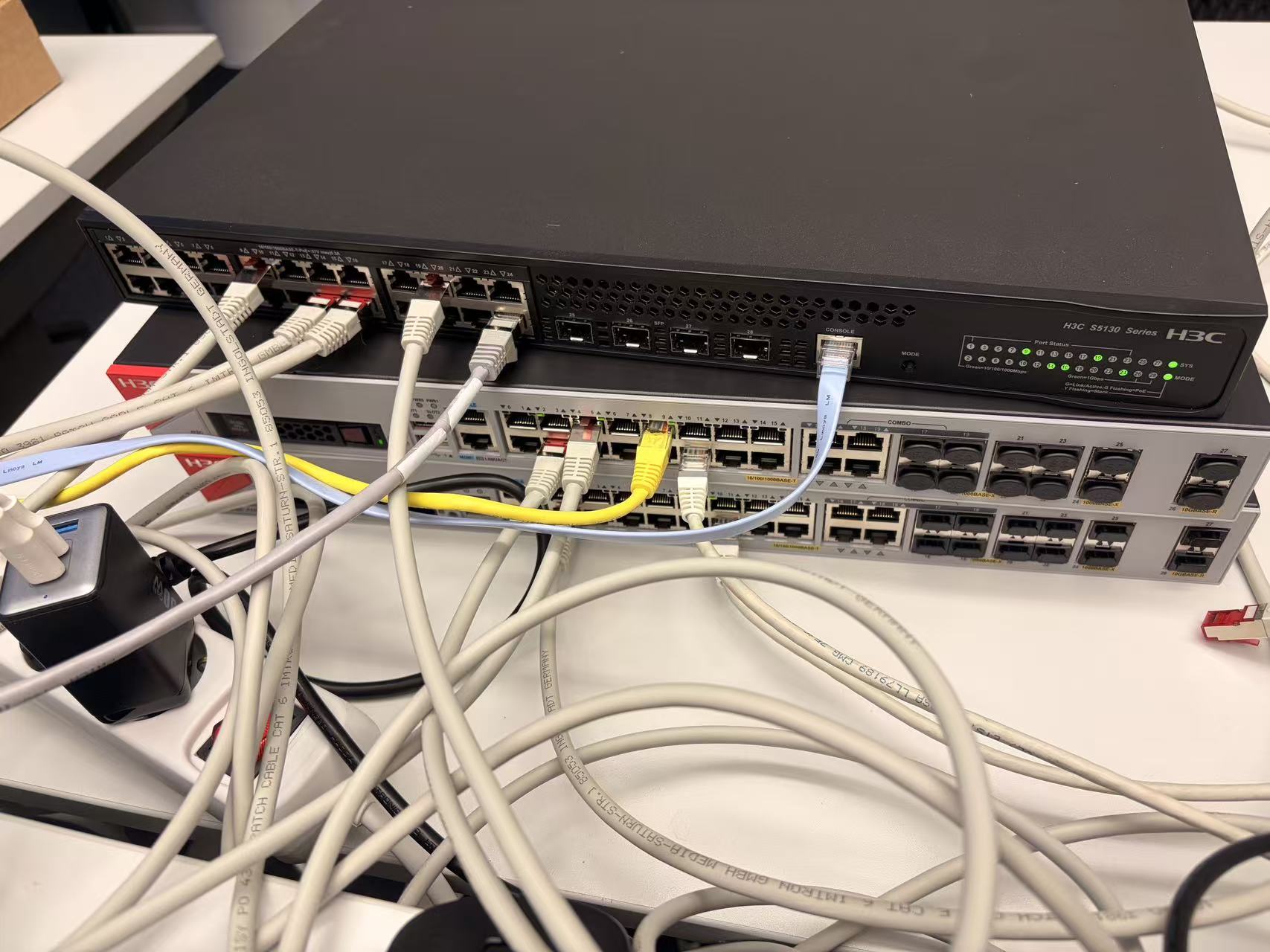
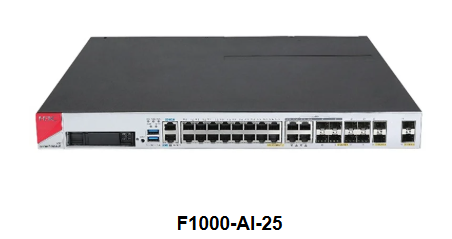
All examples in this chapter were based on the H3C Firewall F1000-AI-25. The evaluation focused on how the device exposes active defense features to support traffic inspection, behavioral control, and application-aware policy enforcement.
Active Defense Feature Overview
The active defense module brought together several security controls that are useful in a real project context:
- Threat intelligence and DGA inspection
- Concurrent Connection Limit (CCL)
- Server Connection Detect (SCD)
- IPCAR-based access rate limiting
- Deception mechanisms
- Application audit
- Netshare control
Threat Intelligence and DGA Inspection
One of the early validation points was DGA inspection. Domain Generation Algorithm traffic is often associated with malware command-and-control behavior. Instead of relying only on static signatures, the firewall can inspect suspicious domain patterns and correlate them with threat intelligence logic.
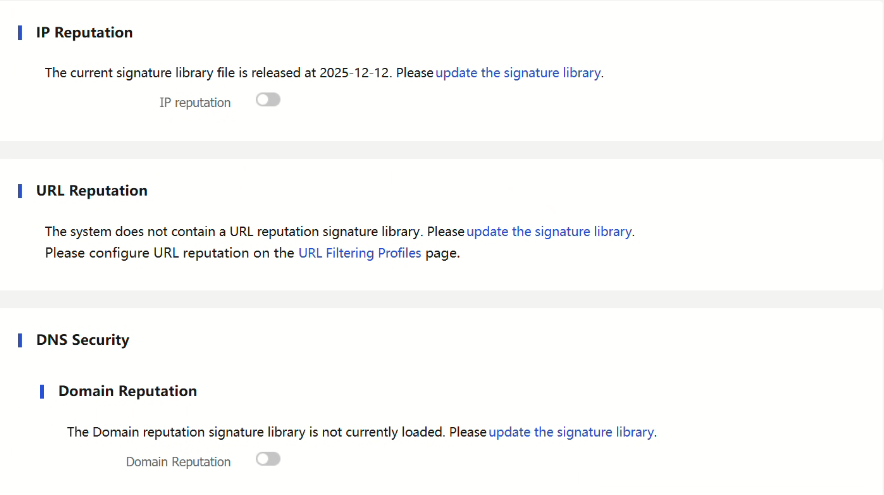
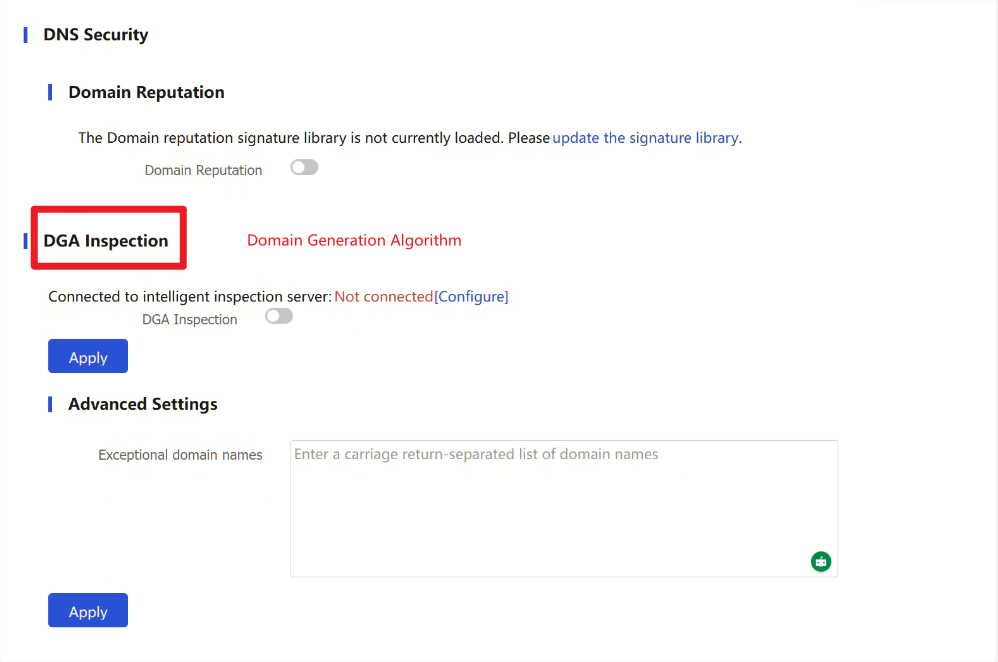
This mattered because the customer requirement was not simply to block known bad IP addresses. They needed confidence that the firewall could help surface abnormal outbound behavior before it turned into a larger incident.
Concurrent Connection Limit and Resource Control
The next control point was Concurrent Connection Limit. In delivery terms, this helps prevent a single host or session pattern from consuming an unreasonable amount of stateful resources. It is especially useful when service stability matters as much as security.
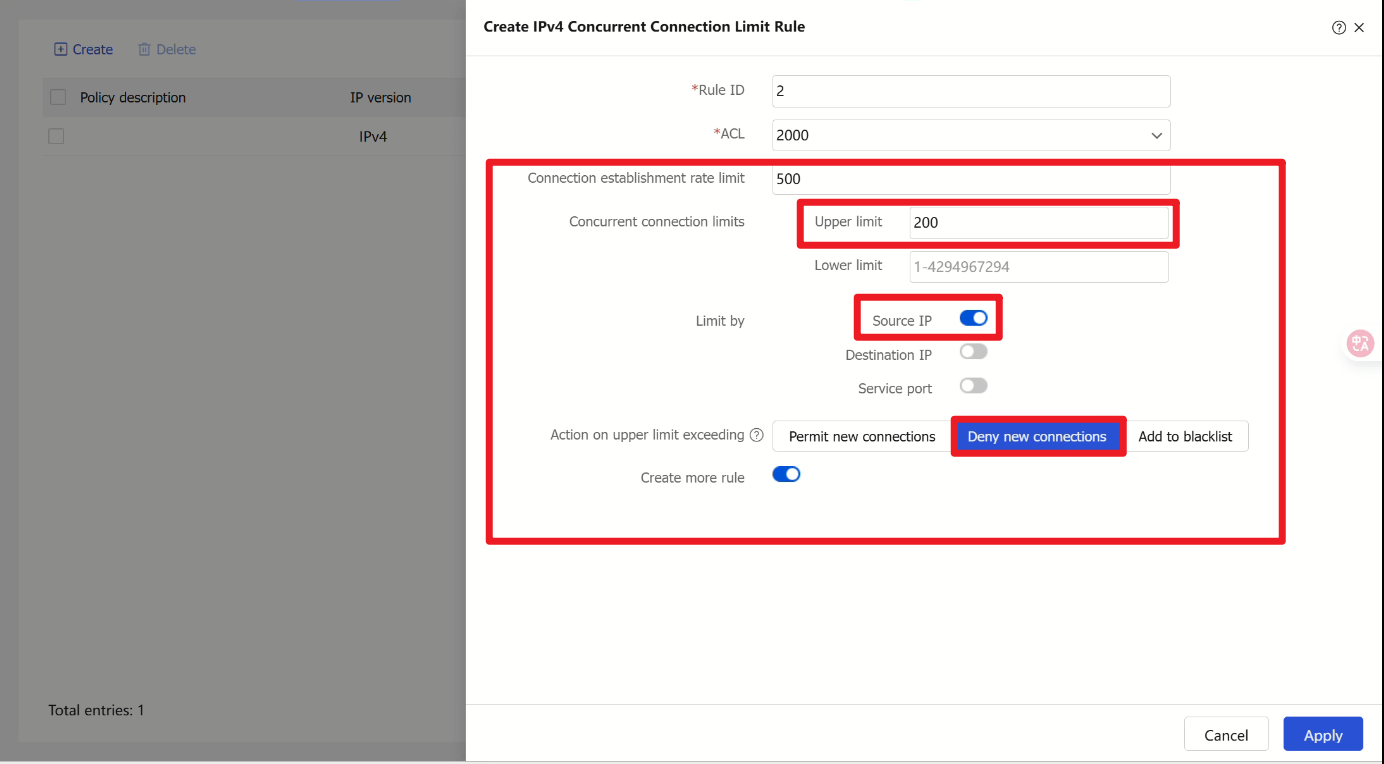
This feature was evaluated as a practical safeguard, not just a lab option. In production-style environments, connection abuse may come from compromised endpoints, misbehaving applications, or overly aggressive scanning tools. CCL helps place predictable bounds on that behavior.
SCD, IPCAR, and Deception
The project then moved into controls that help the firewall react more intelligently to network behavior.
Server Connection Detect supports learning and identifying server-side communication patterns:
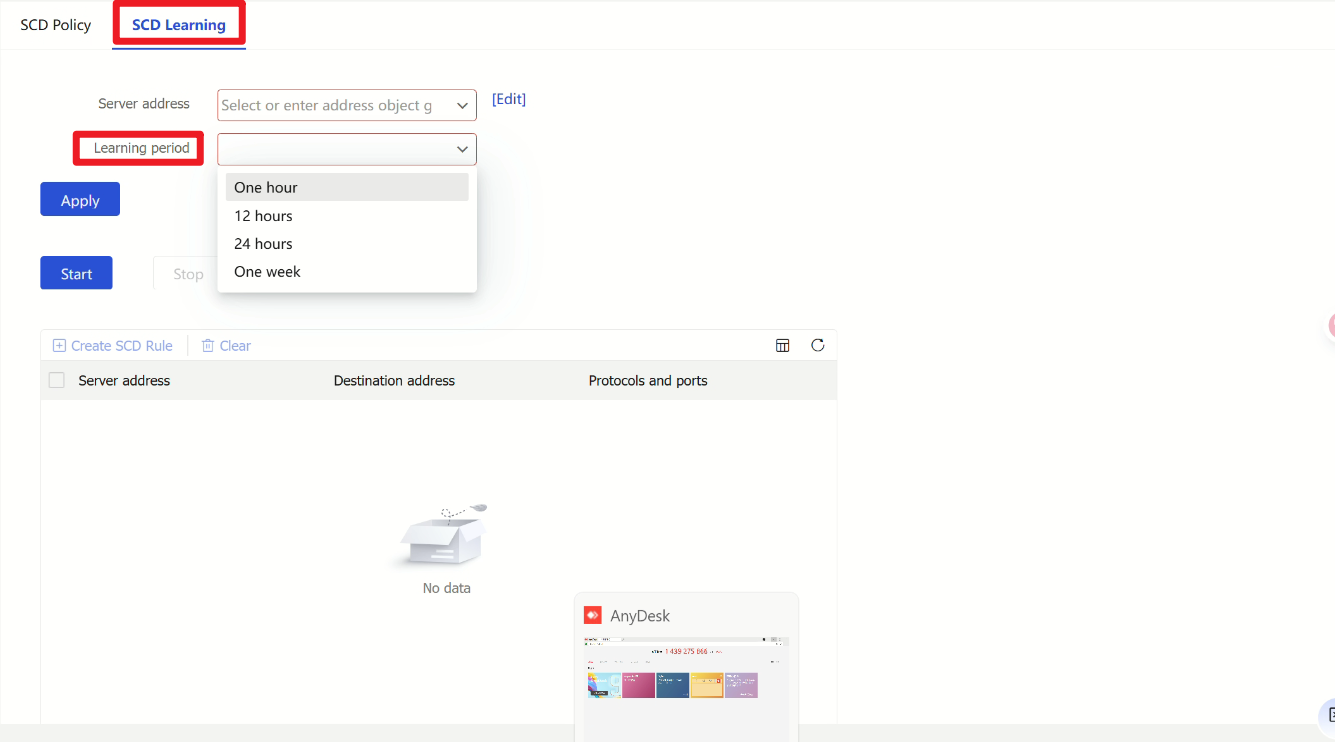
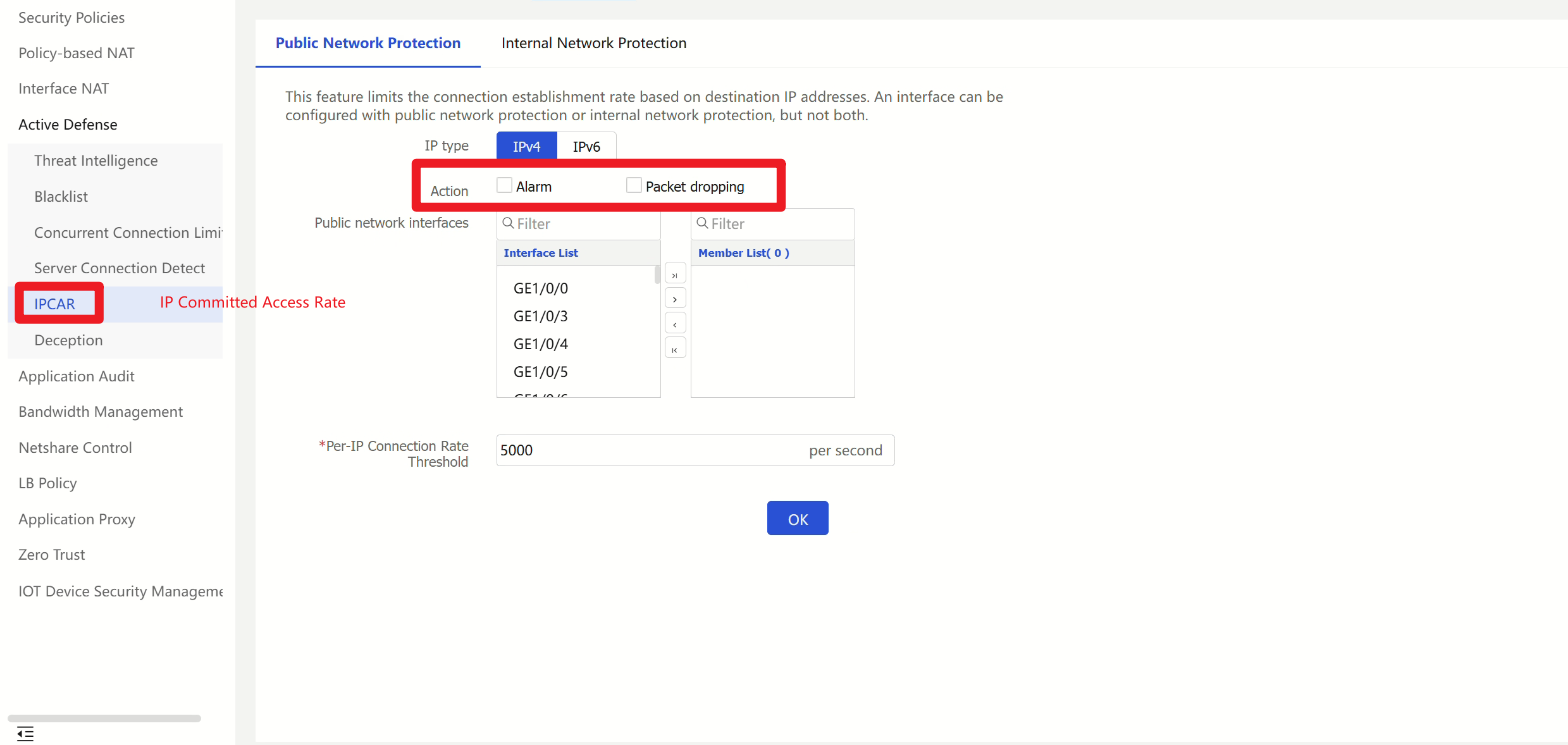
IPCAR adds rate-control logic tied to source access behavior:
Deception features further raise the cost for hostile reconnaissance or exploitation attempts:
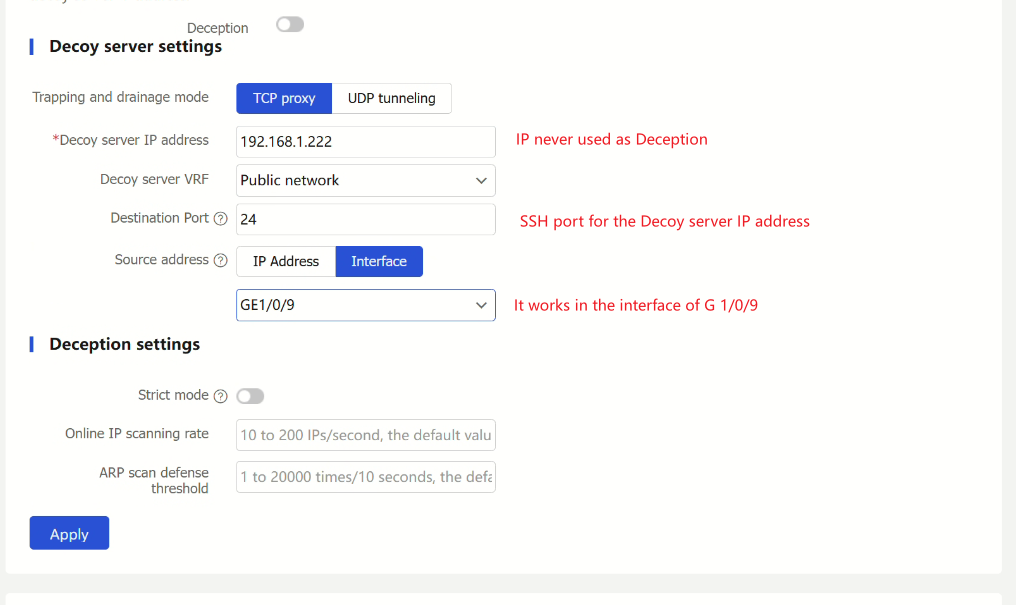
Taken together, these mechanisms showed that the firewall could do more than match packets to rules. It could shape access behavior, identify suspicious usage, and create a more defensive posture around exposed services.
Application Audit and Netshare Control
The final part of the active defense phase dealt with user and application behavior. Application audit policies helped record and interpret usage patterns, while netshare controls addressed the risk of unauthorized sharing or misuse of approved network access.
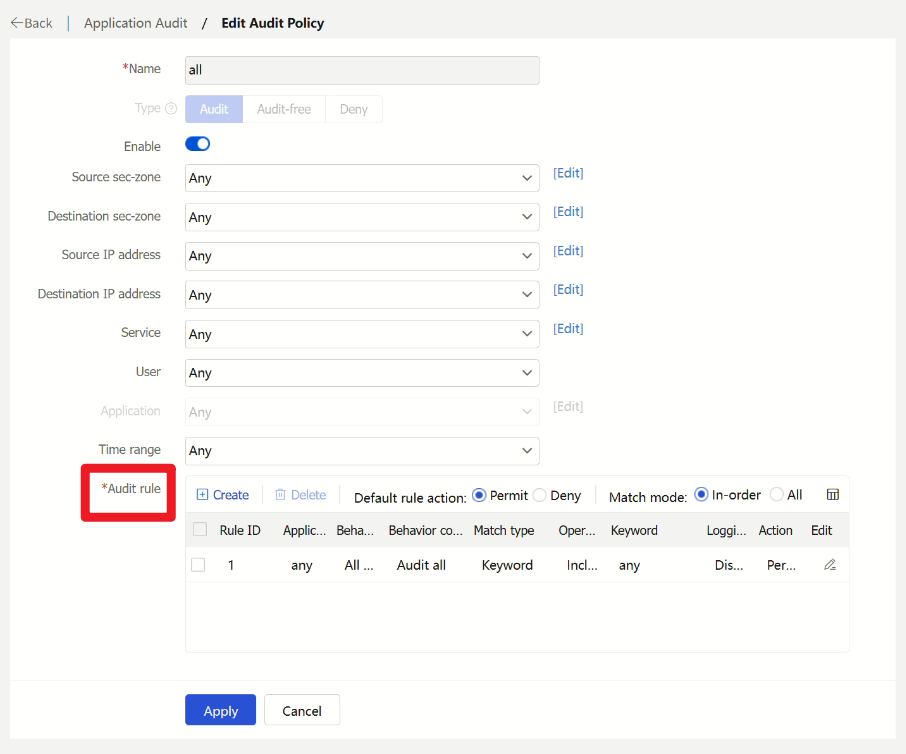
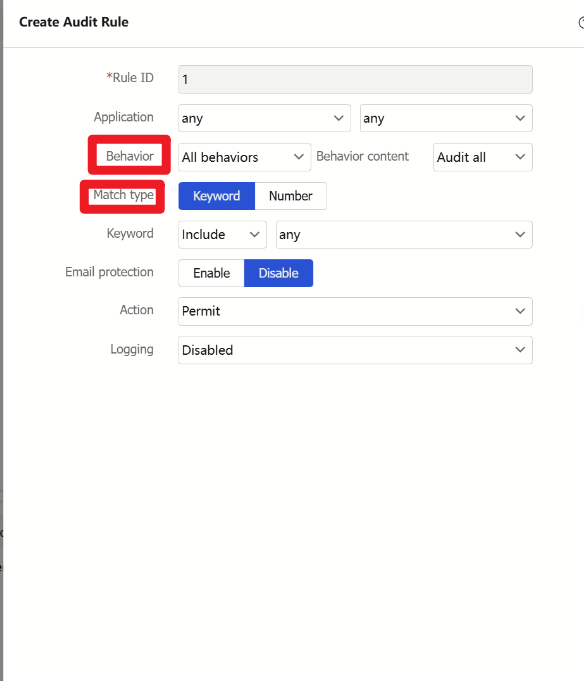
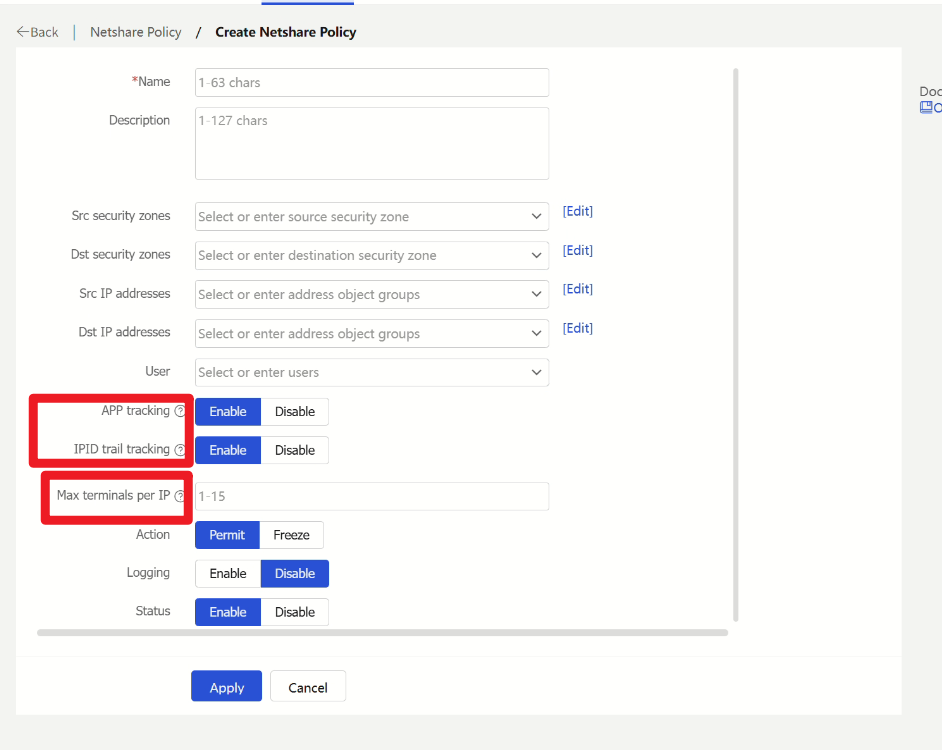
This closed the first phase of the project with a useful conclusion: the firewall was already capable of strong east-west and user-behavior visibility, but the next customer question was equally important. Once applications are exposed to users, can the same platform also improve service delivery quality and front-end resilience?
Transition: From Internal Control to Service Exposure
After validating behavioral detection and policy-side controls, the next logical step was to evaluate the firewall in an application delivery role. Security posture alone was not enough. The project also needed to show how the platform could help publish services, balance traffic, protect web resources, and preserve availability under uneven demand.
That led directly into the second chapter: load balancing and application-facing security.
Chapter 2. Load Balancing and Application-Facing Security
The second phase focused on using the firewall as both a protection device and a traffic-distribution point. This part of the project was grounded in a real PoC-style scenario, where multiple servers needed to be exposed behind a unified entry while preserving application availability and applying security controls close to the traffic edge.
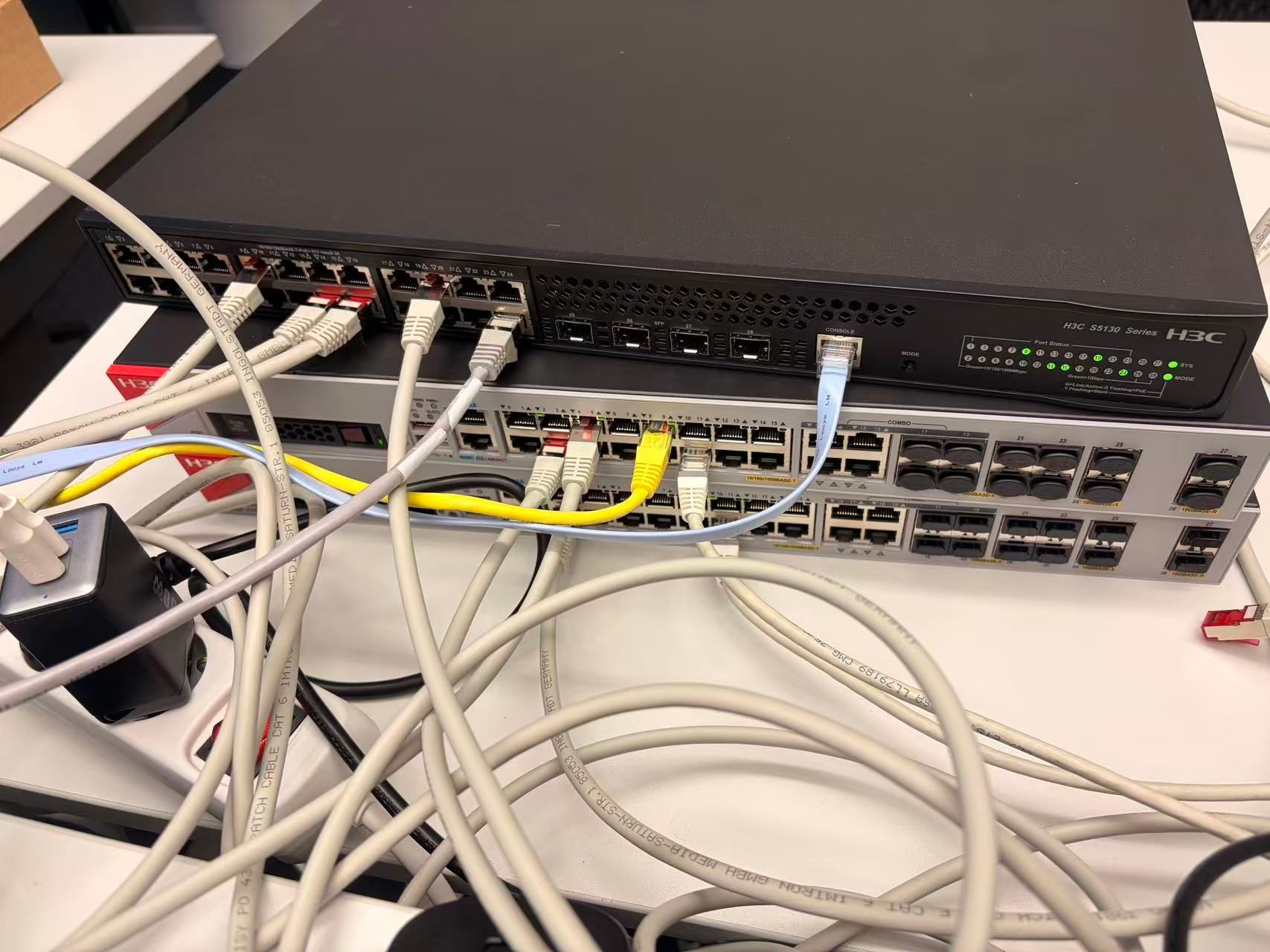
Load Balancing Topology
The core topology used the firewall to front-end multiple real servers behind a virtual service model.
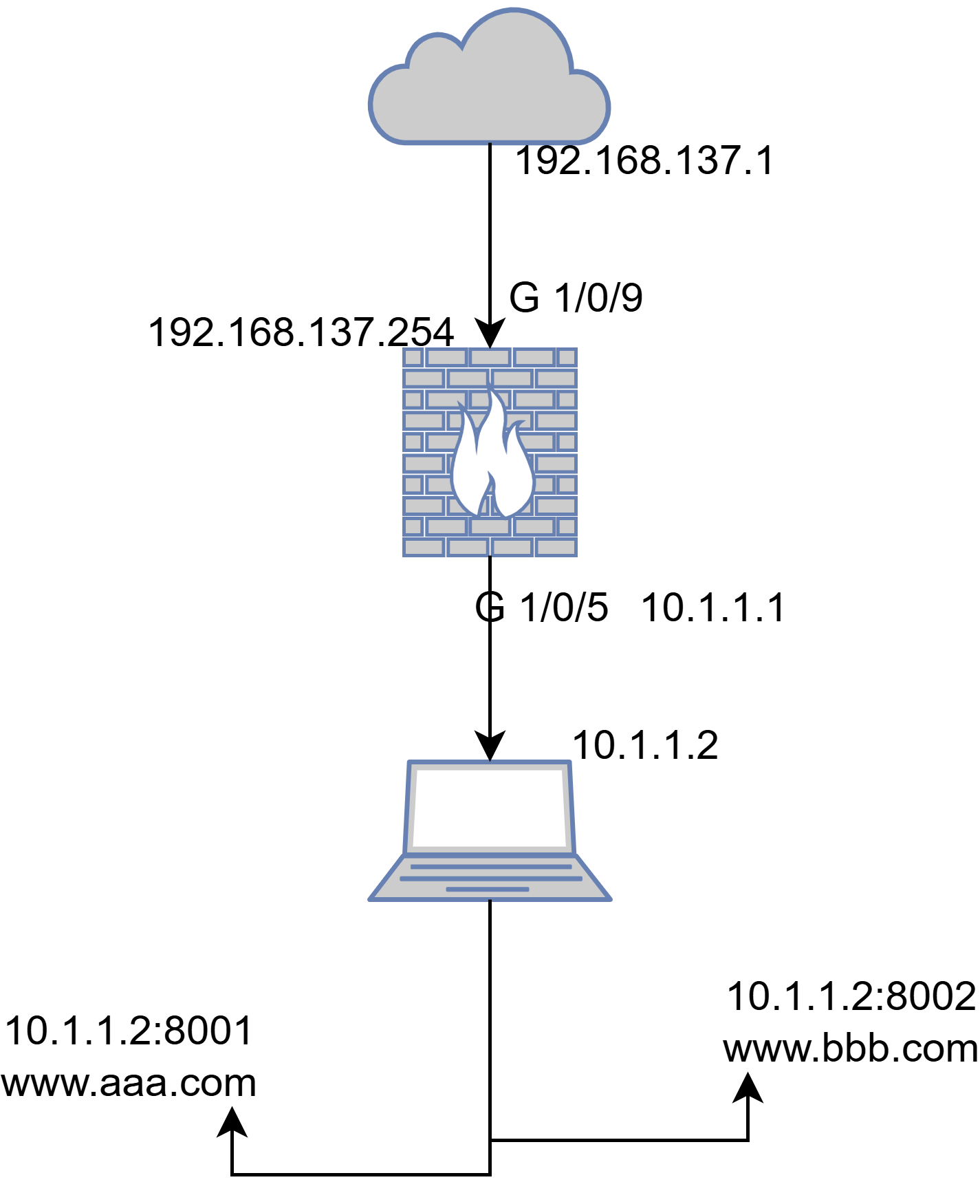
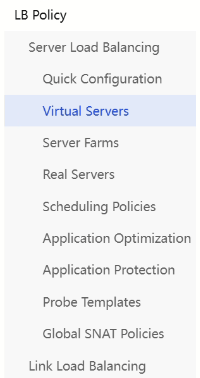
In this design, the firewall was not only forwarding traffic. It also participated in application steering, policy attachment, and service health awareness.
Virtual Servers, Server Farms, and Scheduling
The load-balancing design relied on several core building blocks:
- Virtual server
- Server farm
- Real server
- Scheduling method
- Probe template
- Global SNAT
The virtual server provided the user-facing access point:
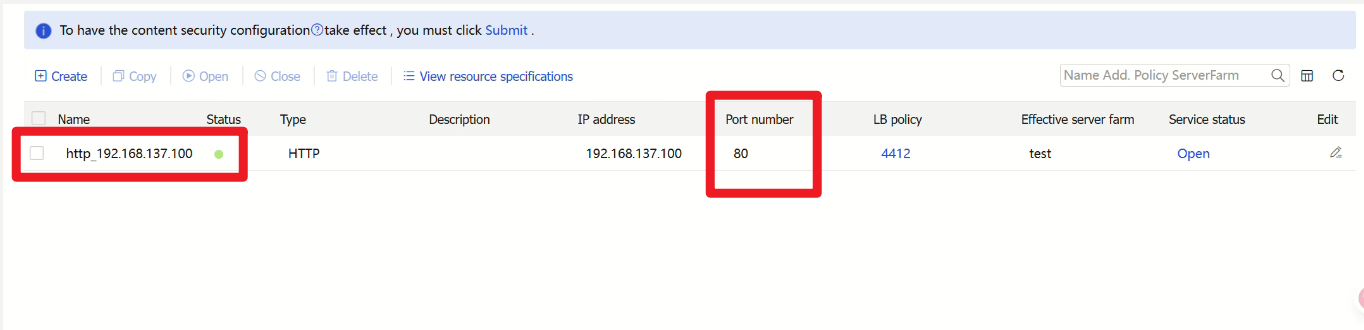
The server farm grouped the backend resources:

The backend web resources were validated as individual real servers:
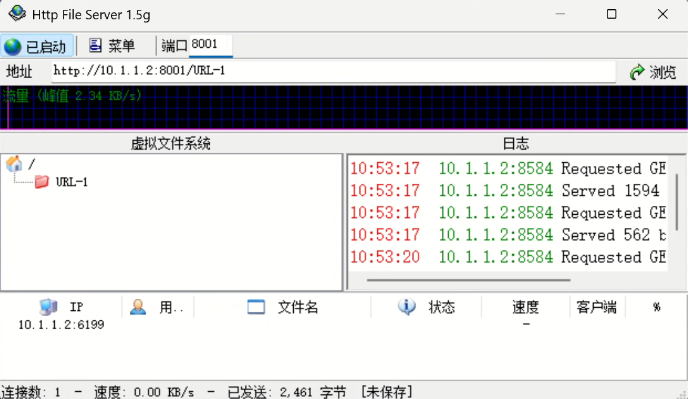
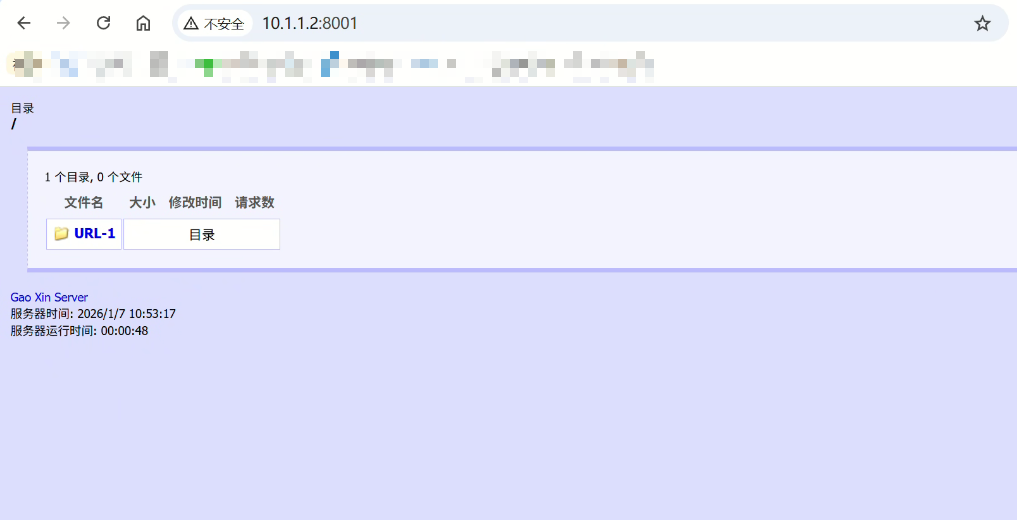
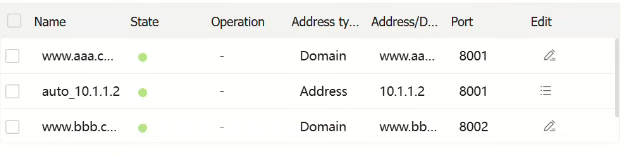
Round-robin scheduling was then used to demonstrate basic distribution logic:
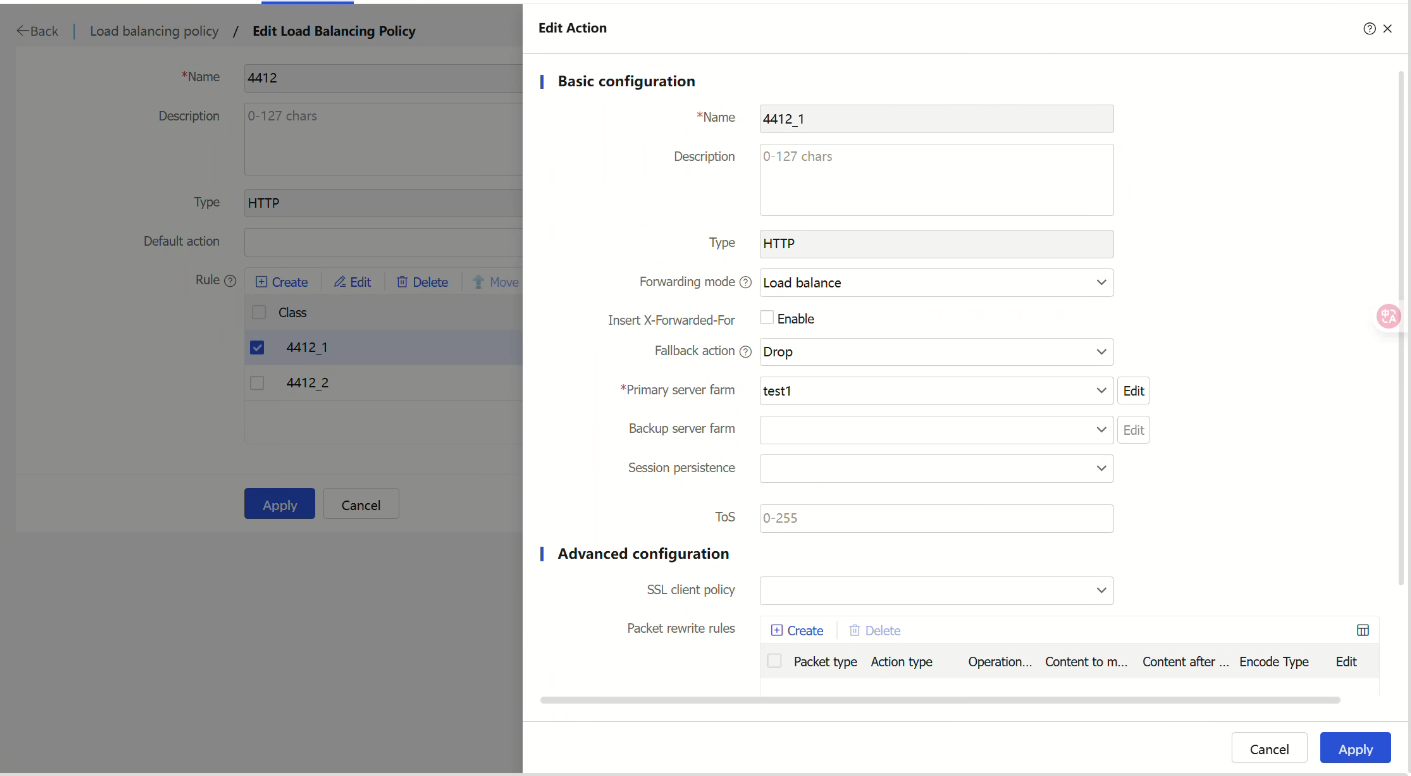
This phase showed that the firewall could serve as a practical service publication point, not just a perimeter device, which is exactly the kind of capability worth surfacing in a project showcase article.
Application Optimization and Security Validation
The PoC also examined optimization and security behavior around the exposed application path.
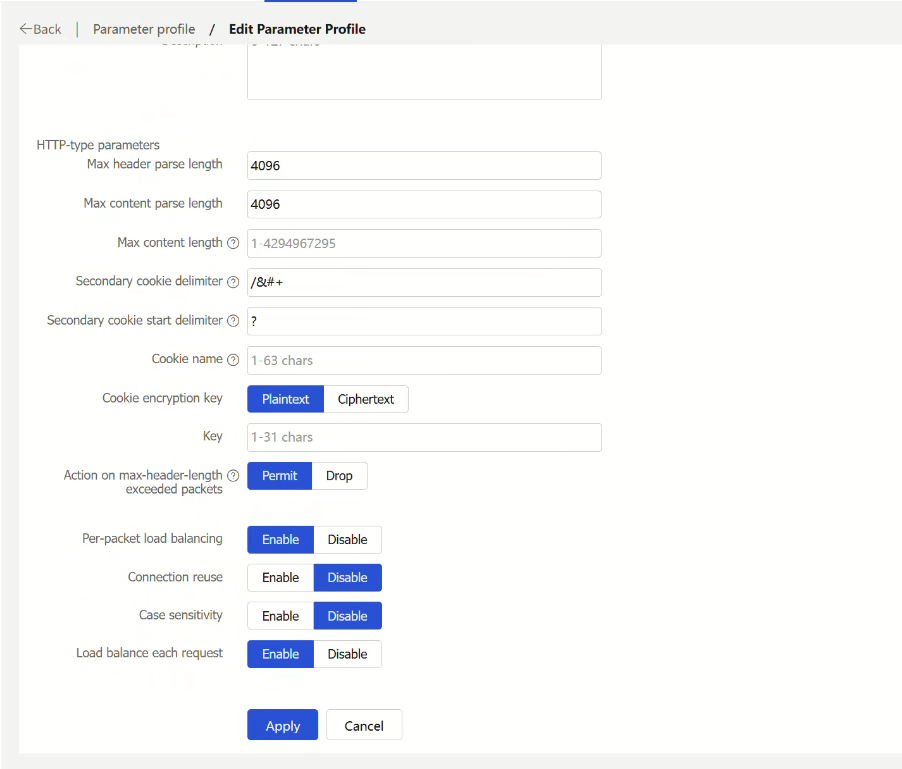
An additional test verified URL redirection behavior:
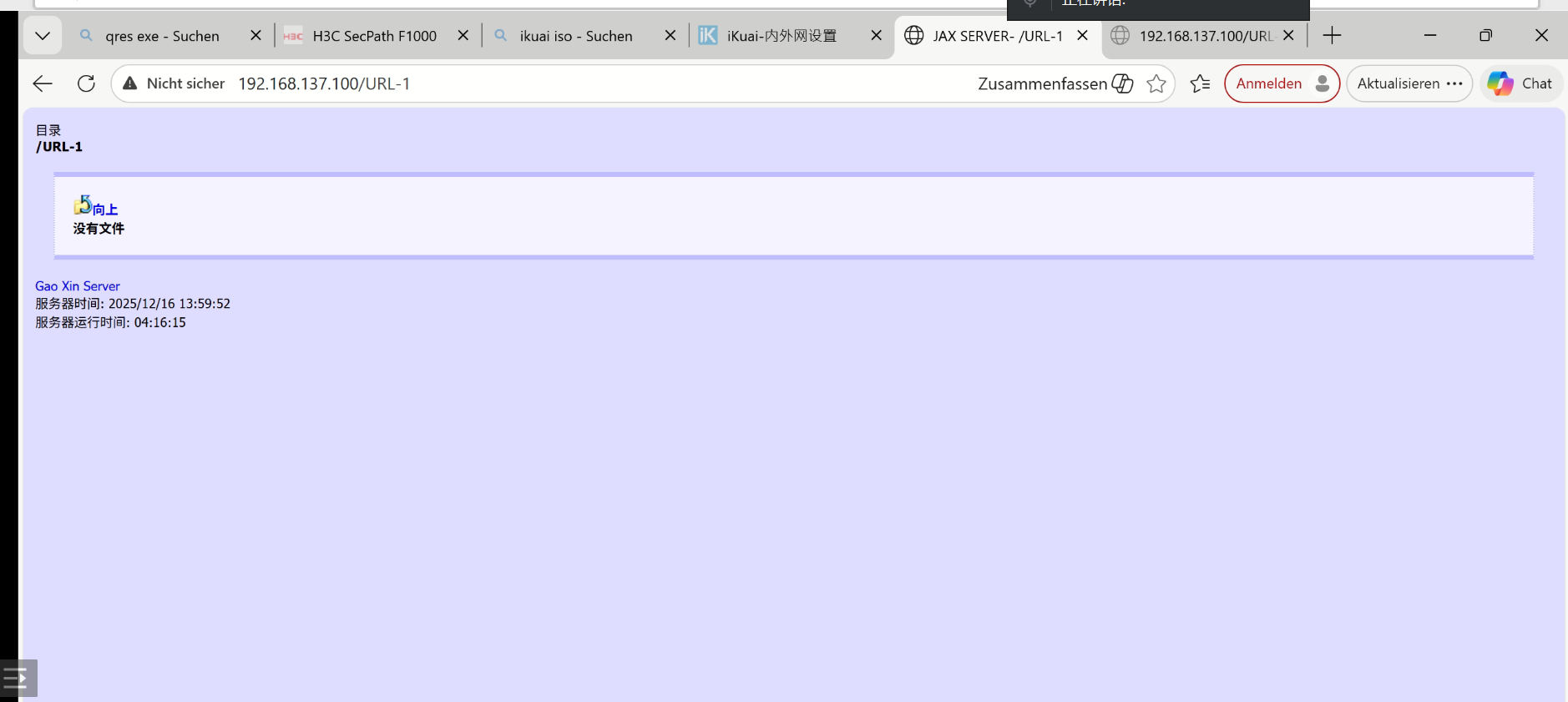
Security verification was particularly important here. The value of a load-balancing firewall is reduced if it can publish services but cannot inspect or block obviously malicious delivery attempts. The PoC therefore included anti-virus and application security checks during the same workflow.
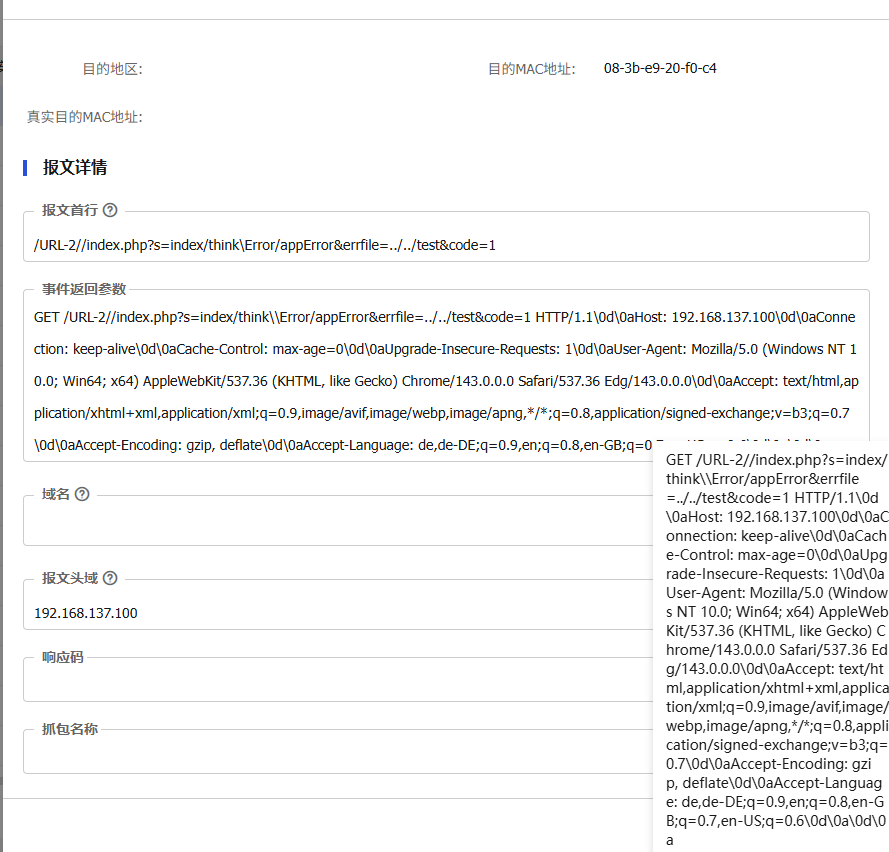
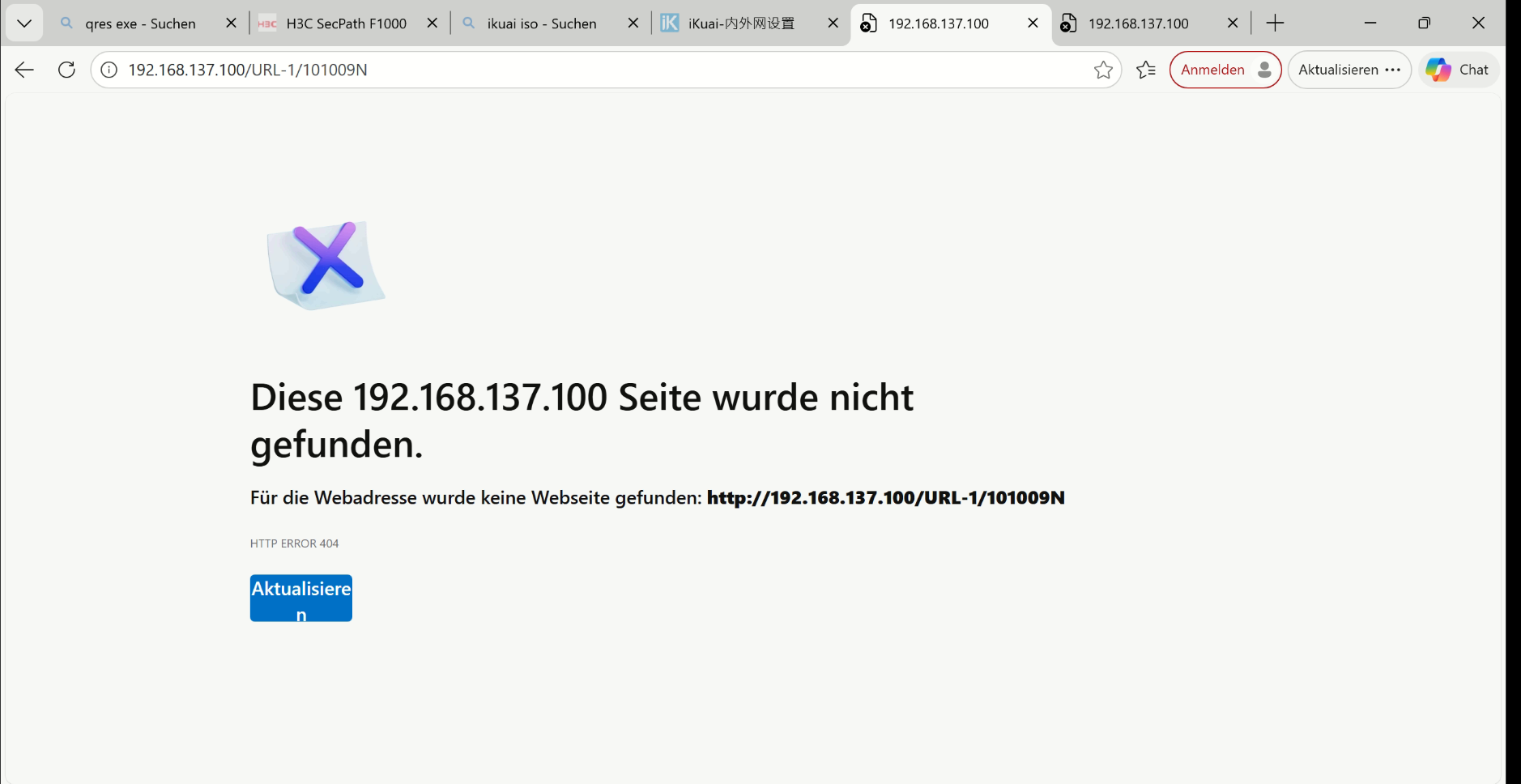
This created a stronger delivery story. The firewall could improve service accessibility while still enforcing inspection and protection at the application edge.
Transition: From Exposed Services to Encrypted Traffic Visibility
Once application publishing and load balancing were validated, a familiar problem surfaced: more and more business traffic is encrypted. Even if the firewall is correctly steering sessions and enforcing perimeter controls, visibility drops sharply if TLS flows remain opaque.
That is why the third phase was necessary. The project needed to validate how SSL inspection and exemption policies could be implemented without breaking legitimate access patterns.
Chapter 3. SSL Inspection and Exemption Policy Design
The final phase focused on one of the most operationally sensitive firewall capabilities: SSL inspection. The objective was to understand not only how the firewall decrypts and inspects traffic, but also how to define safe bypass behavior for domains or applications that should not be intercepted.
Why SSL Inspection Matters
Modern web traffic is overwhelmingly encrypted. That improves confidentiality, but it also means malware delivery, risky uploads, or policy violations can hide inside TLS sessions if the firewall only sees metadata.
This part of the project used the H3C application proxy model to evaluate SSL decryption, certificate presentation, and whitelist logic.
SSL Decryption Policy on the Firewall
The first step was to review how SSL inspection policies are expressed within the firewall configuration and service chain.
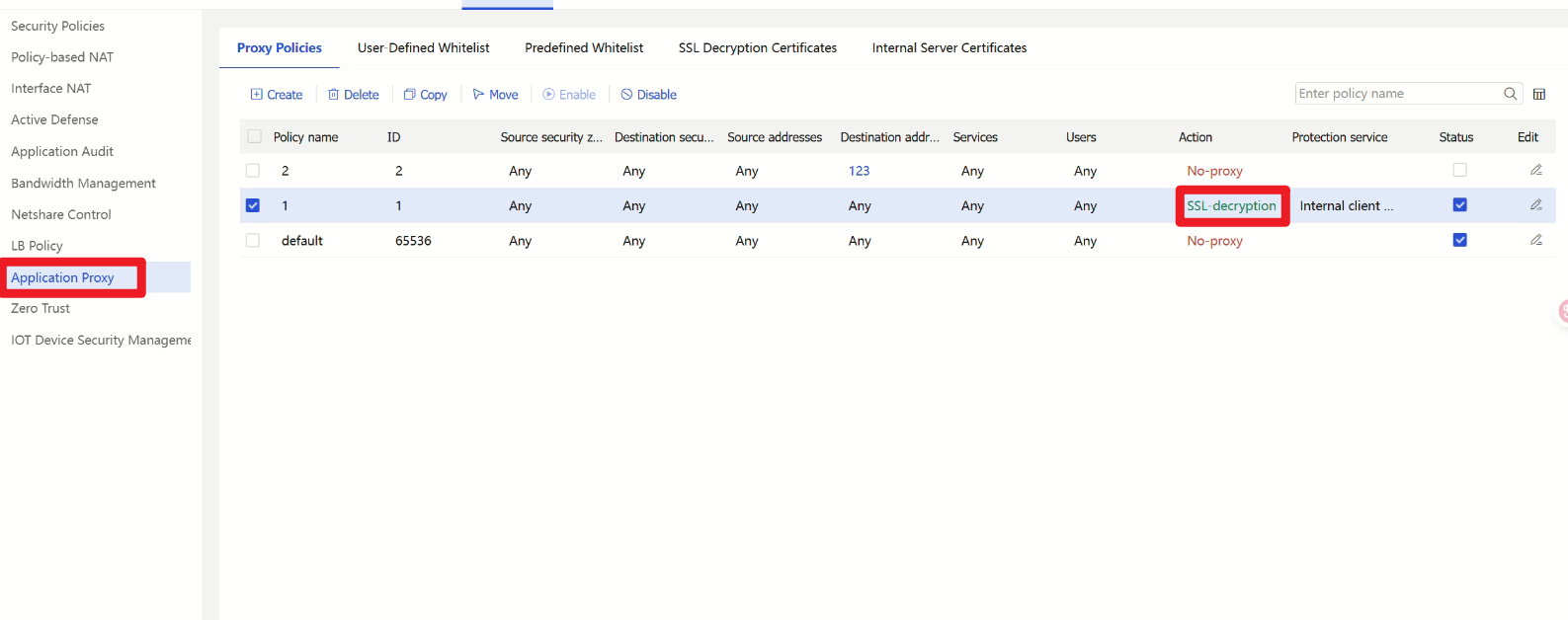
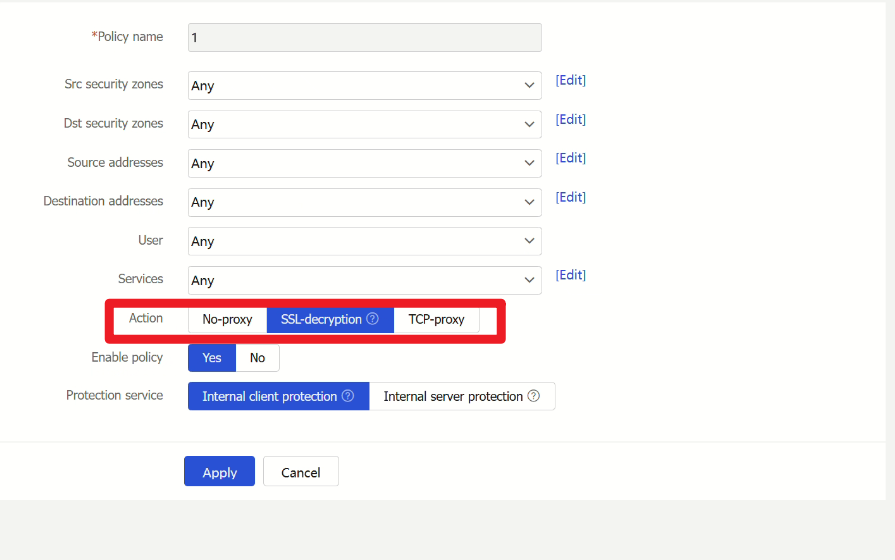
From a project implementation perspective, this stage was critical because SSL inspection is rarely just a checkbox feature. It requires trust-chain considerations, browser behavior validation, and clear exception handling rules.
Domain-Based Whitelisting and Exemption
Not every encrypted flow should be intercepted. Some destinations are better handled through exemption logic, especially where certificate pinning, compliance constraints, or third-party trust requirements are involved.
The project therefore validated domain-based whitelist behavior:
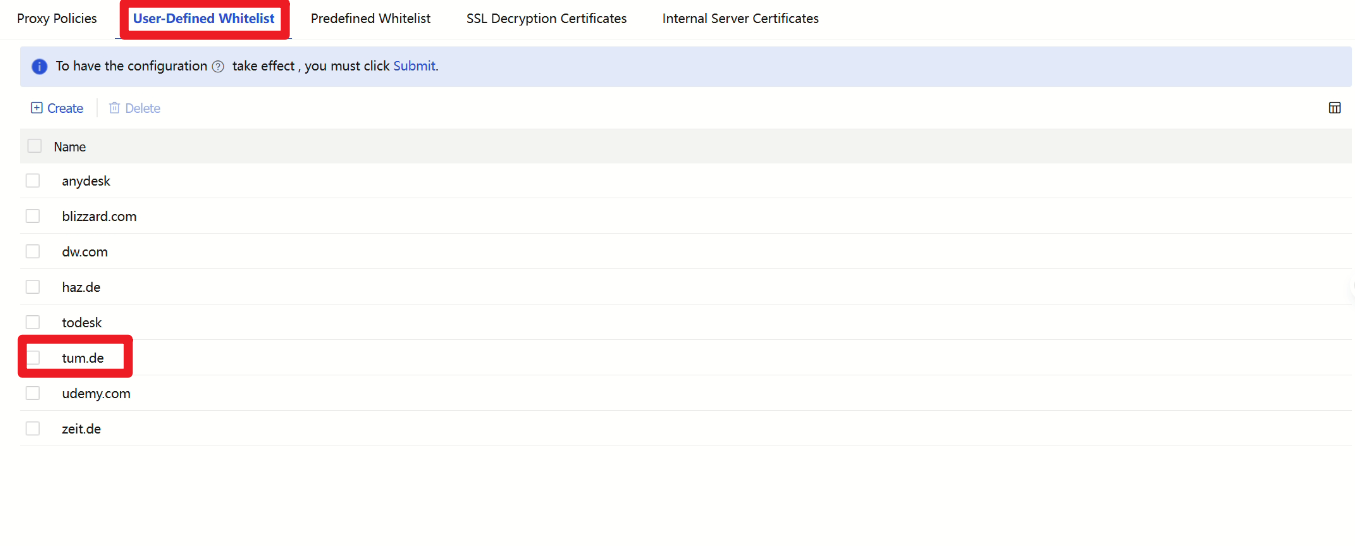
This exemption capability is what makes SSL inspection operationally usable. Without it, inspection policies often become too disruptive to deploy consistently.
Certificate Comparison and User Experience
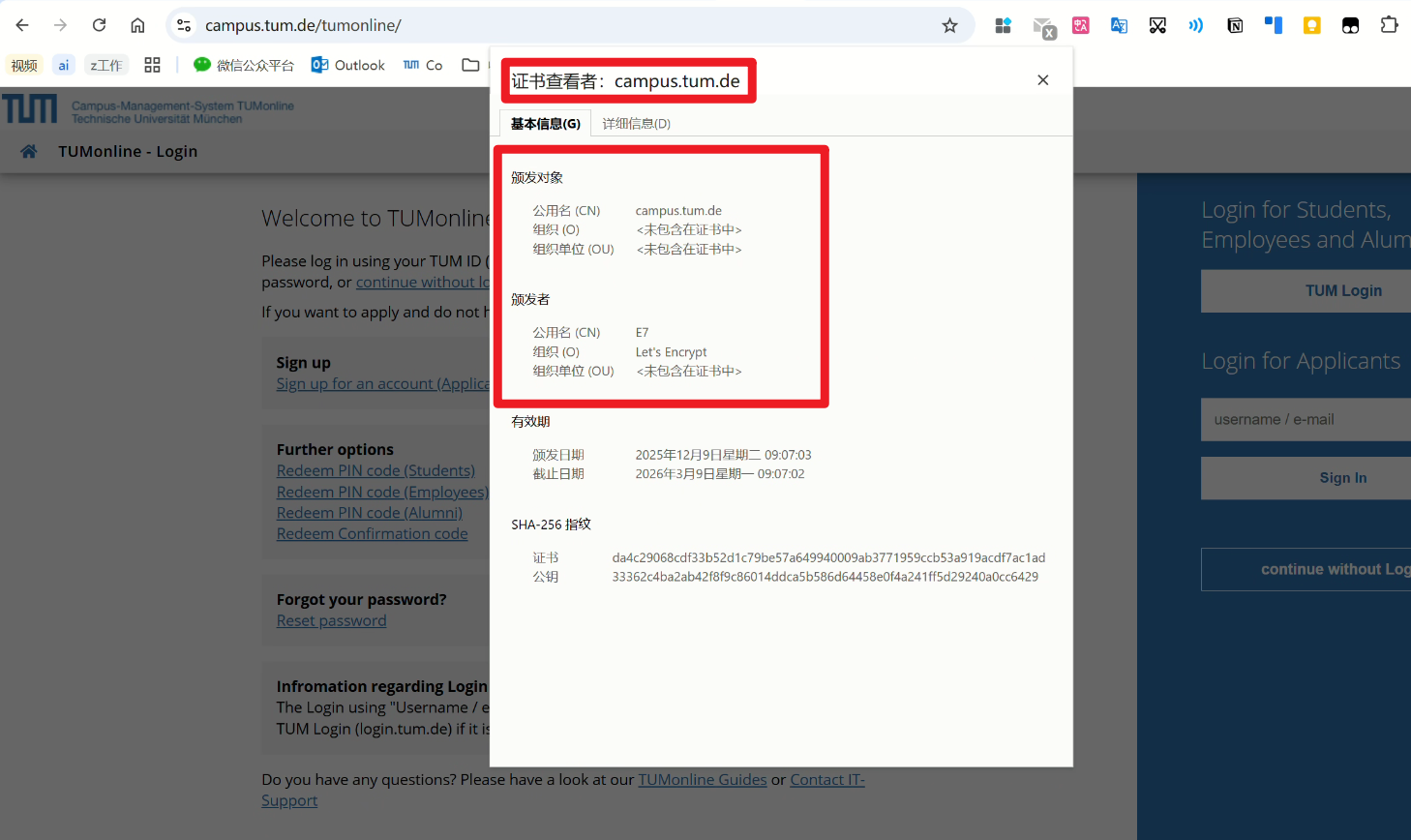
The last validation point in this chapter compared original certificate presentation with the certificate shown when traffic is intercepted by the firewall.
Original service certificate:
Firewall-intercepted certificate:
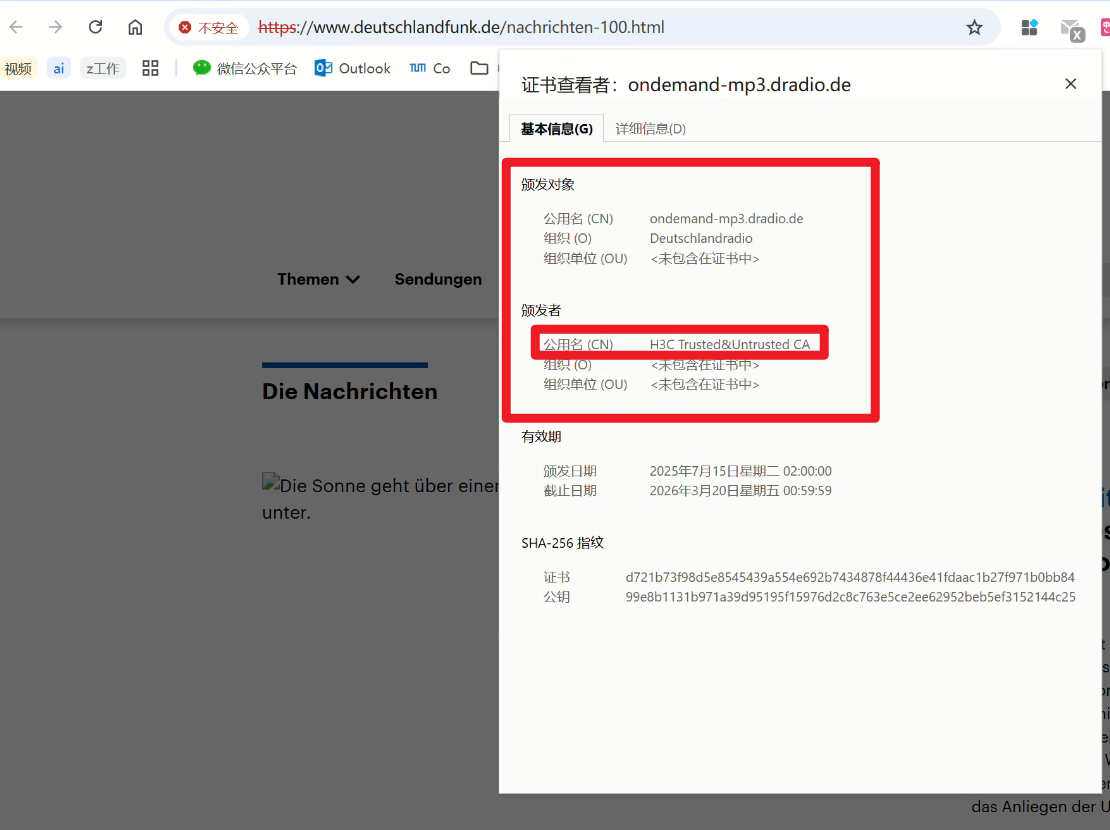
This is where technical correctness and user experience intersect. If certificate replacement, trust distribution, or whitelist handling is wrong, the result is immediate user friction. If it is done well, security inspection becomes largely transparent while still preserving application usability.
Closing Summary
Viewed separately, these three source notes described useful firewall features. Viewed together, they make a stronger project story:
- Active defense improved behavioral visibility and abuse control
- Load balancing expanded the firewall into an application delivery role
- SSL inspection restored visibility into encrypted traffic while preserving exception handling
That combination is what made the overall project worth showcasing. It was not just about enabling isolated features on an H3C firewall. It was about showing how one platform could support detection, service exposure, and encrypted traffic governance in one coherent implementation path.